

By Education & Policy Desk
Published: September 20, 2026

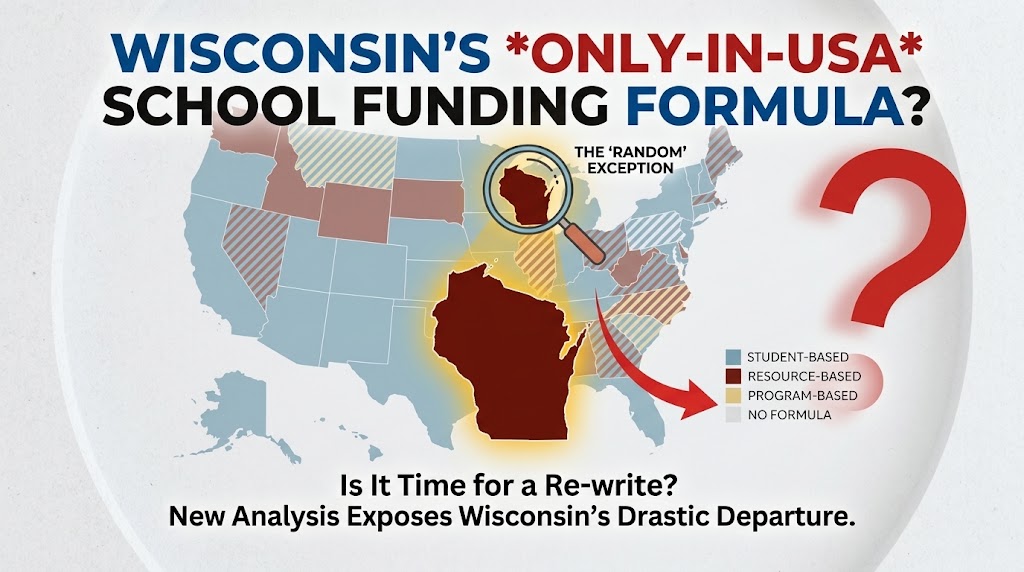
Wisconsin’s system for funding its public schools stands virtually alone in the nation, and not necessarily in a good way.
According to a report from CBS 58, Wisconsin remains the only state relying on a patchwork array of targeted aid programs layered on top of decades-old spending caps. With a wave of new state lawmakers set to enter the Capitol, policy leaders, superintendents, and lawmakers are questioning whether it is finally time to overhaul the state’s complex public education formula.
The Roots of the Problem: A Patchwork System
The foundation of Wisconsin’s funding structure relies on revenue limits established back in 1993. These limits set a maximum ceiling on the combined amount of state aid and local property taxes a district can spend per pupil.
Because the baseline was frozen over 30 years ago, critics argue the system fails to account for current community needs or property wealth dynamics.
“It wasn’t based on need or property wealth or how responsible a district was being,” noted Quinton Klabon, senior research director at the Institute for Reforming Government. “It’s just kind of random and lopsided.”
Over the years, state lawmakers attempted to address inequities by adding specialized grant programs—including per-pupil categorical aid, transportation funding, rural aid, and special education reimbursements. However, education leaders argue this “band-aid” approach created a web of rules so intricate that even school administrators struggle to navigate it.
Even experienced public officials acknowledge the confusion:
- Governor Tony Evers, a former state superintendent, noted that the complexity leads to constant miscalculations: “All I know is it’s so complex that even people that spend all the time thinking about it get it wrong… We have to simplify it.”
- Milwaukee Public Schools Leadership recently highlighted the issue during finance meetings, noting how unexpected formula rules complicate attempts to pay down operational deficits without inadvertently triggering a reduction in state aid.
The Consequence: A Surge in Local Property Tax Referendums
Because state funding formulas fail to keep pace with operational costs and inflation, local school districts are forced to turn directly to taxpayers.
                  WISCONSIN FALL REFERENDUM SURGE
┌─────────────────────────────────────────────────────────────────┐
│  73 School Districts Participating                              │
├─────────────────────────────────────────────────────────────────┤
│  78 Total Referendum Questions on November Ballots              │
└─────────────────────────────────────────────────────────────────┘
Districts like Brown Deer are putting dual initiatives on the ballot—seeking $35 million in capital bonds and $14 million in operational tax levies over five years to maintain basic educational programming and facility maintenance.
What Could a Simplified Formula Look Like?
Policy experts have begun drafting alternative models aimed at creating predictable, equitable funding without driving competition between neighbouring communities.
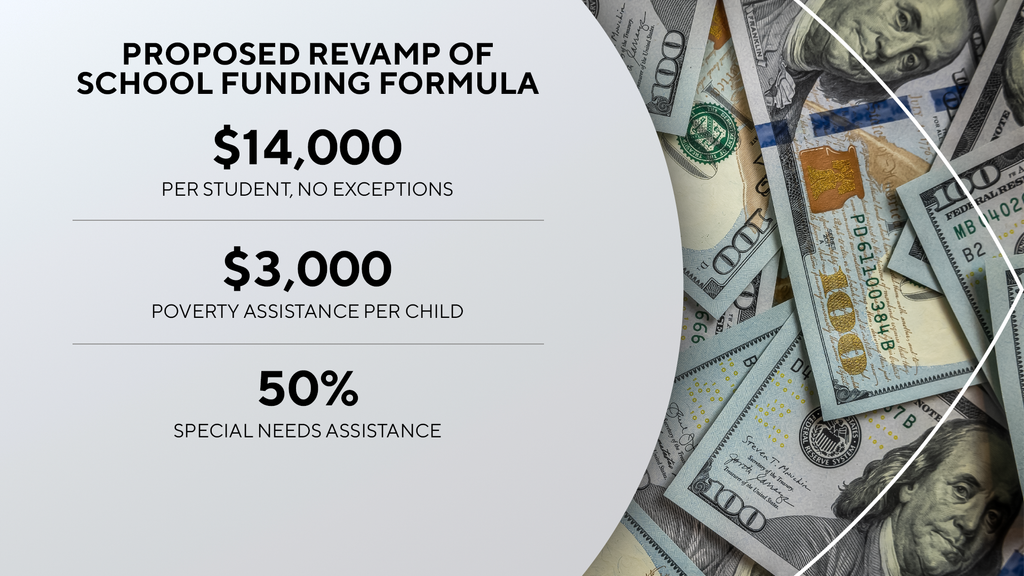
| Proposed Reform Feature | Current System | Proposed Weighted Student Model |
| Base Funding | Complex, history-based revenue caps | Flat $14,000 per-student base funding |
| Low-Income Aid | Tiered categorical grant programs | Additional $3,000 per eligible student |
| Special Education Reimbursement | ~42% state reimbursement | Fixed 50% state coverage rate |
| Property Tax Cap | Varies by revenue limit calculations | Capped maximum 0.7% property tax rate |
| Referendum Structure | Shared state pool dynamic | Local taxpayers cover 100% of local add-ons |
Looking Ahead
With public education funding emerging as a central debate issue for legislative candidates statewide, education advocates hope the upcoming session yields meaningful structural reform rather than incremental fixes.
Does your local school district have a referendum on the upcoming ballot? How do you feel about how K-12 education is funded in Wisconsin? Let us know in the comments below!