


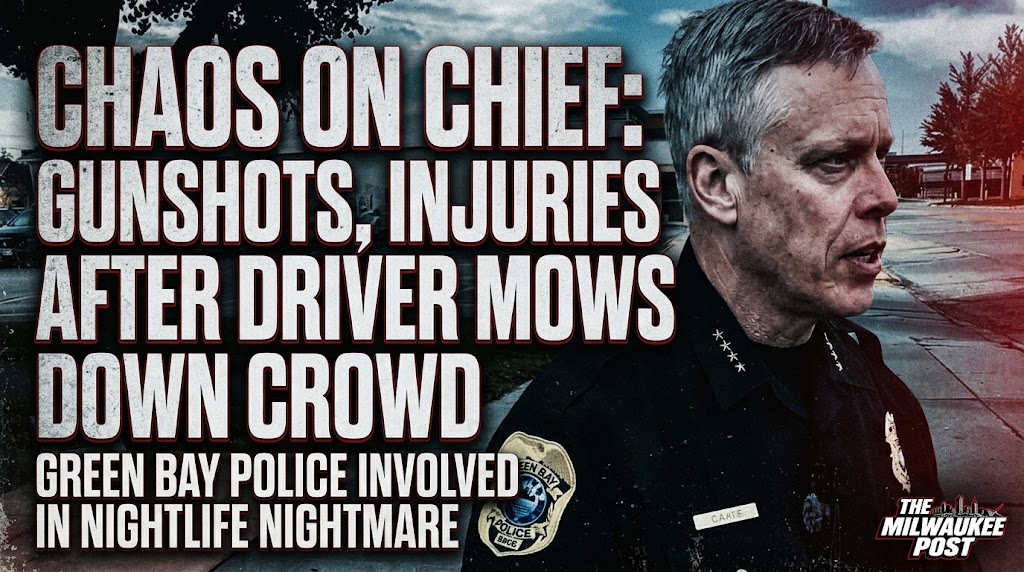
It happens in a split second. At 2:15 a.m. on a Saturday outside a downtown food truck in Green Bay, Wisconsin, routine police work transformed into near-catastrophe. Officers responding to a neighborhood disturbance suddenly found themselves facing a direct physical threat: a motor vehicle driving straight into a crowd of bystanders and law enforcement personnel.
When the dust settled, four officers were injured, a shot had been fired, a brief vehicle pursuit ensued, and a suspect was taken into custody under suspicion of Operating While Intoxicated (OWI).
While initial relief comes from knowing all four officers suffered non-life-threatening injuries, stepping back to examine the broader picture reveals an unsettling truth: our nightlife districts remain dangerously vulnerable to turning multi-ton vehicles into unguided missiles.
A Multi-layered Breakdown in Minutes
The timeline of the downtown Green Bay incident illustrates how fast high-density nightlife spaces can spiral into chaotic crisis zones:
- 2:15 AM — Initial Disturbance: Officers arrive near a downtown food truck to handle a crowd disturbance, with scuffles already taking place.
- The Escalation: A vehicle accelerates toward the gathering, endangering both pedestrians and first responders on foot.
- Lethal Force Response: An officer fires a single round at the incoming vehicle.
- Pursuit & Arrest: The vehicle flees, sparking a short police chase before being stopped near North Monroe Avenue and Pine Street, leading to the driver’s arrest on suspicion of OWI.
Thankfully, no one was hit by the officer’s gunshot, and the officer involved has been placed on standard administrative leave pending review. However, the event exposes three critical friction points in how American cities manage late-night pedestrian safety.
1. Impaired Driving in Crowded Corridors Remains a Flawed Status Quo
Initial reports point to suspected OWI as a primary factor. While strict drunk-driving laws and public awareness campaigns exist, reliance solely on individual compliance during peak nightlife closing hours (2:00 a.m. to 3:00 a.m.) continues to fail.
Placing hundreds of foot patrons, food vendors, and responding emergency staff directly alongside active vehicle lanes creates an environment where a single impaired judgment call yields immediate, widespread destruction.
2. Vehicle-as-a-Weapon Hazards Require Structural Fixes
Whether driven by deliberate intent or severe intoxication, a moving vehicle in a foot-traffic zone presents a immediate physical hazard. Police officers on foot are severely disadvantaged against approaching vehicles.
Relying on split-second firearm decisions by law enforcement—often in dense, dimly lit crowds—is an emergency measure of last resort, not a structural solution. Physical infrastructure designed to separate vehicles from pedestrian density is key to prevention.
3. Urban Planning Must Prioritize Temporary Pedestrian Zones
Downtown entertainment areas across the country frequently encounter the same issue: late-night crowds spills onto roads near food trucks, bars, and venues. City planners must consider proactive urban design measures for peak hours:
- Automated or Dynamic Bollards: Installing retractable or heavy-duty bollards to seal off popular 2:00 a.m. food corridors during closing times.
- Dedicated Food Truck Parks: Moving late-night vending off major thoroughfares into dedicated pedestrian-only plazas.
- Traffic Calming Infrastructure: Implementing engineered street curves and raised crosswalks that physically limit vehicle speeds in nightlife hubs.
Looking Ahead
As the investigation continues under the oversight of neighboring agencies and body-camera footage is reviewed, the immediate takeaway is clear. Treating vehicle-pedestrian conflict areas as purely a policing problem ignores the root issue.
Until municipal planning actively safeguards foot-traffic corridors from vehicle access during late-night hours, officers and citizens alike will remain vulnerable to preventable tragedies on city streets.