

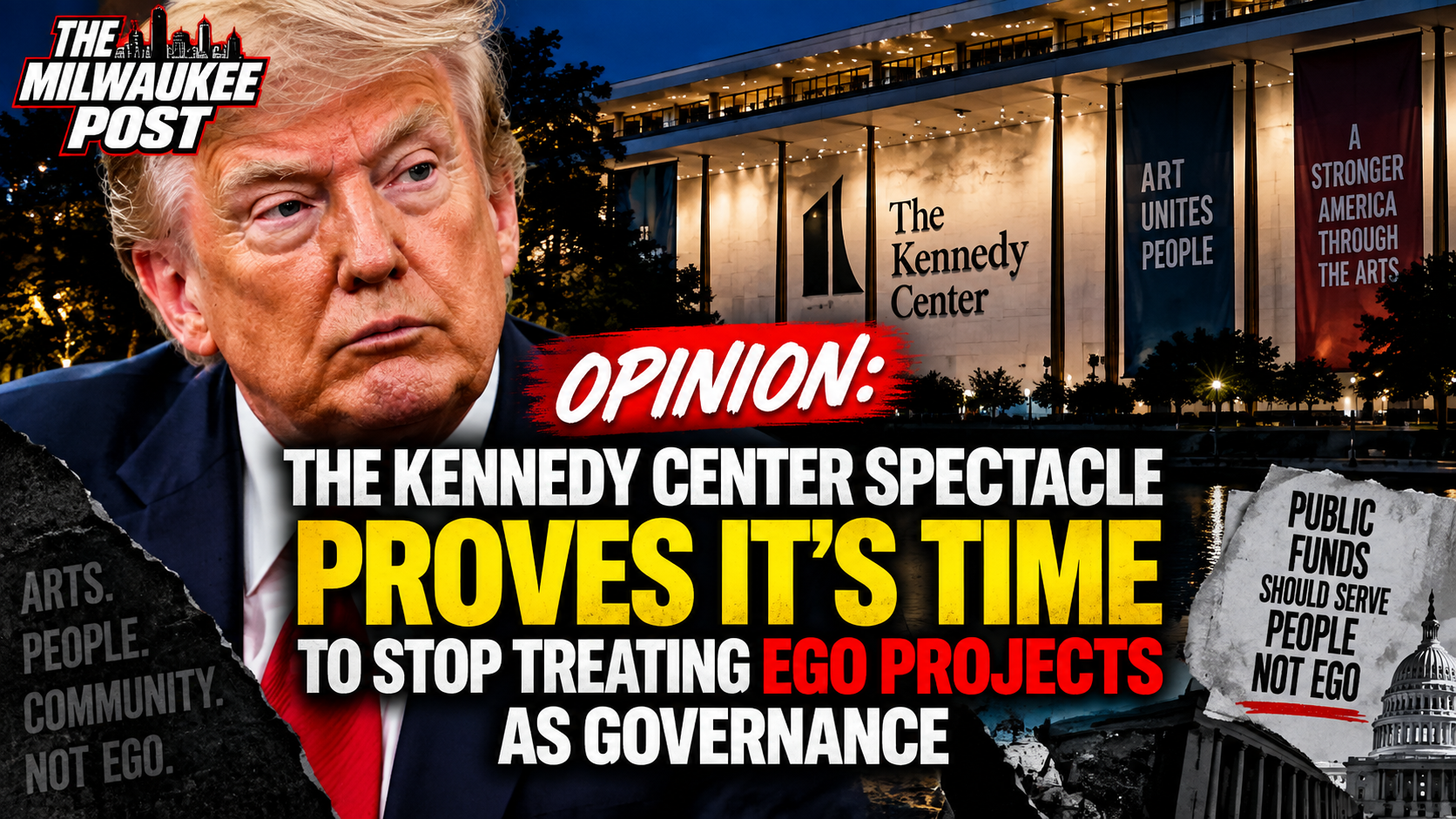
The ongoing feud over the John F. Kennedy Center for the Performing Arts has officially reached a peak level of absurdity. Reports surfaced detailing an explosive, elevated outburst from former President Donald Trump during a board meeting after a federal court once again blocked efforts to add his name to the iconic national memorial.
The incident highlights a broader issue in modern American politics: the constant, damaging distraction of treating national institutions as personal trophies rather than public trusts.

The Core of the Dispute
- The Renaming Push: Trump-appointed board members attempted to add visual credits and rebrand portions of the facility to honor Trump’s involvement in proposed renovations.
- The Legal Barrier: A federal judge explicitly ruled that changing the name or adding permanent memorials to a federally established national monument requires express statutory approval from Congress—not unilateral executive or board decrees.
- The Board’s Response: Following the court ruling, the board voted to shutter the venue immediately, citing safety concerns and renovation needs, while critics slammed the abrupt closure as a retaliatory tactic.
Why Both Parties Need to Recalibrate
It’s easy to focus on the political drama and board room shouting matches. But looking at the situation objectively, the entire saga reflects poorly on everyone involved in federal cultural administration.
- EGO OVER PRESERVATION: A national performing arts center created by an act of Congress as a living memorial to a assassinated president should never be used as leverage for personal rebranding. Threatening to halt necessary physical maintenance or close facilities over naming rights puts institutional stewardship secondary to political vanity.
- PARISAN GRIDLOCK AS USUAL: Rather than focusing on long-term funding models, infrastructure repairs, and keeping doors open for patrons, national arts governance has been dragged into the same partisan culture-war playbook that stalls basic congressional duty.
Moving Past the Drama
The law on federal monuments is clear: Congress sets the names, and trustees manage the facilities within those legal bounds. If political leaders want their names etched into stone across Washington, D.C., they should focus on delivering landmark legislative achievements that earn that honor legitimately—not throwing fits when courts remind them that rules still apply.
To research the federal legislation that established the Kennedy Center or track active bills regarding federal memorials, visit Congress.gov.